
It's Not Content, It's Clarity
By
Dr. Perry J. Samson




My academic career focused on atmospheric trajectory analysis: developing methods to estimate how pollutants emitted in one state affect air quality in downwind regions. That work helped demonstrate something important: air quality is rarely just a local issue. It’s regional. What happens upstream shapes what is experienced downstream.
Over time, I began to see a parallel in my classroom.
In higher education, we rarely suffer from a lack of content. Faculty invest enormous effort in designing lectures, curating readings, and aligning assignments with learning objectives. Yet many students, especially first-generation students or those balancing complex lives, struggle to see how the pieces fit together.
They experience the downstream effects.
But they can’t always see the upstream causes.
They don’t clearly see how a concept introduced in week 3 affects an assignment in week 7. How feedback on one assessment shapes performance on the next. When students lack clarity about those trajectories, effort becomes scattered. Confidence erodes.
From Atmospheric Trajectories to Learning Trajectories

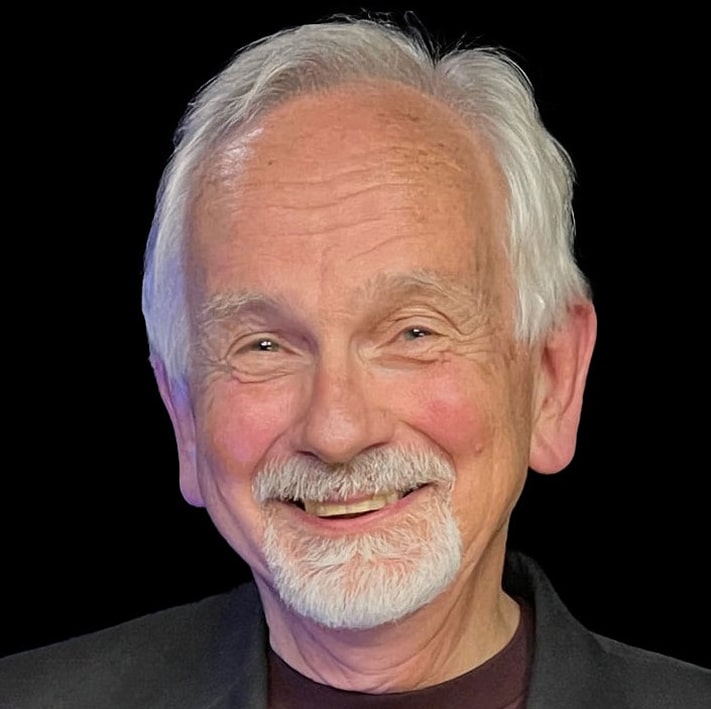
Pictured with one of my many cohorts of Climate 102: Extreme Weather
Late in my career, I shifted my focus more toward teaching and learning design. The most powerful moments weren’t when I added more material. They were when I made structure visible — when students understood not just what they were learning, but how their learning was progressing.
When I retired from full-time faculty life, I realized I wasn’t finished with that problem.
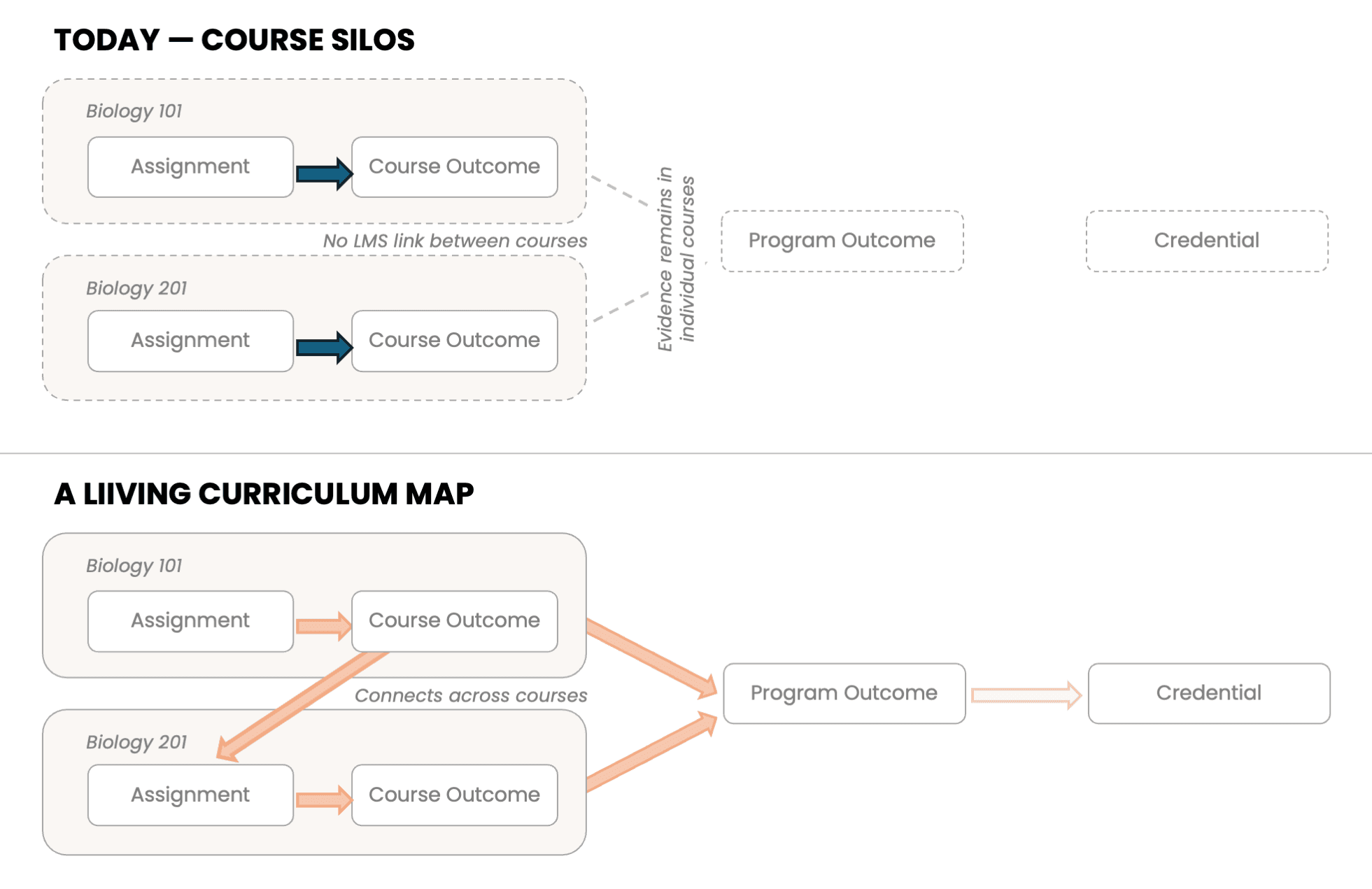
Trajectory analysis once helped me understand what affected atmospheric clarity. Today, through LearningClues, we are building systems that follow the trajectory of learning — estimating where a student has been, where they are proficient, and where understanding may be fragile.
The goal is not to replace struggle. It is to make growth visible.
Clarity in the Age of AI
As AI enters education, this distinction matters. Used poorly, AI obscures learning. Used responsibly, it can illuminate patterns, surface misconceptions, and support reflection — while preserving the essential role of the educator.
I’ve spent a lifetime studying clarity — first in the atmosphere, now in learning.
If we can better understand the forces shaping a student’s journey, we can help more students move forward with confidence.
"/><stop offset="1" stop-color="rgb(30, 137, 244)"/></linearGradient></defs><path d="M 6 0 C 9.314 0 12 2.686 12 6 C 12 9.314 9.314 12 6 12 C 2.686 12 0 9.314 0 6 C 0 2.686 2.686 0 6 0 Z" fill="url(%23YMu7oI8_W-4015704225-linear-gradient)" height="12px" id="YMu7oI8_W" transform="translate(2 2)" width="12px"/></svg>)

"/><stop offset="1" stop-color="rgb(250, 159, 254)"/></linearGradient></defs><path d="M 6 0 C 9.314 0 12 2.686 12 6 C 12 9.314 9.314 12 6 12 C 2.686 12 0 9.314 0 6 C 0 2.686 2.686 0 6 0 Z" fill="url(%23VtckAu7OE-140179840-linear-gradient)" height="12px" id="VtckAu7OE" transform="translate(2 2)" width="12px"/></svg>)

"/><stop offset="1" stop-color="rgba(255, 148, 116, 0.93)"/></linearGradient></defs><path d="M 6 0 C 9.314 0 12 2.686 12 6 C 12 9.314 9.314 12 6 12 C 2.686 12 0 9.314 0 6 C 0 2.686 2.686 0 6 0 Z" fill="url(%23iibSGr6xP-2696070145-linear-gradient)" height="12px" id="iibSGr6xP" transform="translate(2 2)" width="12px"/></svg>)